
With the development of intelligent manufacturing technology, automated production lines and warehouse management systems in intelligent manufacturing workshops are essential conditions for achieving intelligent manufacturing. Automated Guided Vehicles (AGVs), as important logistics and transportation equipment in intelligent workshops and logistics systems, have been widely applied. The logistics distribution capability of AGVs directly affects the production efficiency of intelligent manufacturing workshops. Therefore, how to configure the capacity of distribution vehicles to optimize equipment utilization, AGV utilization, and total vehicle travel routes is an important part of the early planning of intelligent workshops.
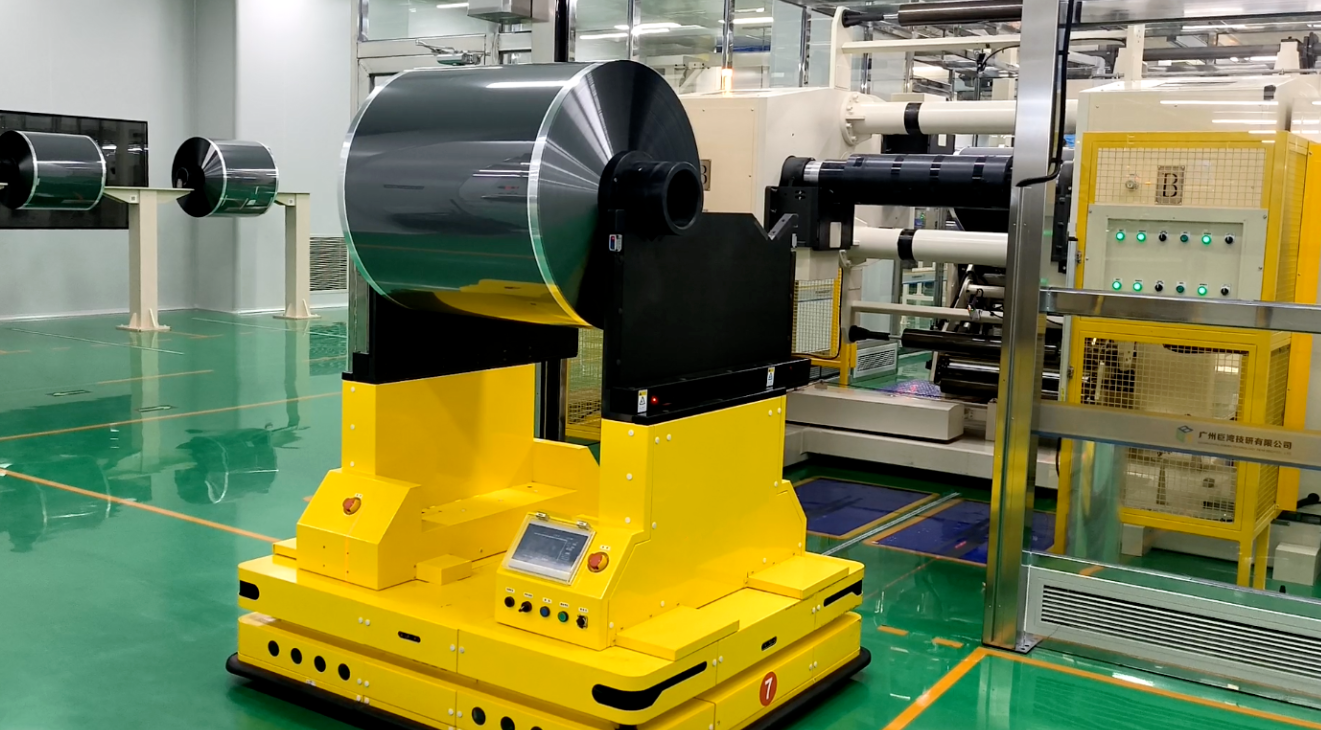
A new energy vehicle company needs to verify the optimal configuration of logistics distribution and actual production scheduling during the planning phase of battery Pack line construction, to avoid mismatches between logistics and capacity design after production, which would cause additional capacity losses. Therefore, proposing a practical AGV distribution and scheduling method tailored to the company's characteristics is a necessary condition for improving equipment utilization and production efficiency. Logistics simulation is one of the best ways to solve this problem.
In complex scenarios, it is impossible to calculate the appropriate number of AGVs, identify bottlenecks, or verify bottleneck optimization solutions through manual labor or static spreadsheets. The company cannot determine the appropriate number of AGVs or whether the solution can achieve production targets. For intelligent objects, logistics simulation software can achieve mutual conversion between 2D and 3D models, simulate events throughout the entire production process, and intuitively observe and understand the system. Through simulation model construction and production process simulation optimization, statistical analysis of the production capacity and risk performance of design solutions provides decision-making basis for managers, aiming to reduce production costs and improve production efficiency. Production Capacity Analysis Simulate the production efficiency and coordination of each part through data to evaluate the balance and stability of the production line. Planning Qualitative Assistance Through simulation results, improve the reliability and rationality of planning, avoiding unnecessary risks and costs. Production Control Solution Verify the feasibility and optimization of production control scheduling solutions through simulation, discovering and solving problems in scheduling architecture and hardware equipment. Logic Architecture Verification Use data through simulation to prove the correctness and effectiveness of the logic architecture of electrical control, reducing dependence on personnel experience and uncertainty. Performance Analysis Analyze the overall performance of the system, such as resource utilization, output within a given time, etc. Capacity Assessment Assess the maximum capacity of each process line and the maximum production capacity of the system. Constraint Identification Identify constraints and bottleneck workstations that affect system performance, and find effective ways to reduce or remove constraints. Design Evaluation Evaluate and compare design solutions based on given JPH (Jobs Per Hour) indicators. Configuration Optimization Optimize system configuration, scheduling rules, etc., to improve resource utilization and analyze the most economical number of carriers. Dynamic Display Display the dynamic operation process of planning solutions through numerical values, graphics, videos, and other forms. Simulation Complete relevant logistics simulation analysis in a 3D modeling environment, intuitively displaying the dynamic operation process of planning solutions. Find the optimal logistics design solution, saving time and costs; improve decision-making efficiency and quality; improve the reliability and robustness of logistics systems; improve the sustainability and adaptability of logistics systems. Helped the company optimize bottlenecks in existing solutions and calculate the optimal number of AGVs for the optimized solution. Currently, Huaxiao Precision logistics simulation software has been widely applied in various links and scenarios of industrial production, providing comprehensive support for enterprise production, achieving automated and flexible production, further improving production efficiency and product quality, reducing production costs, and helping enterprises reduce costs, increase efficiency, and upgrade transformation. In the future, we will continue to deeply cultivate the field of intelligent manufacturing and industrial automation, provide more innovative and high-quality products, and help customers achieve maximum value.
